
Field-Effect Transistors in Space: Surviving Outside the Earth's Atmosphere
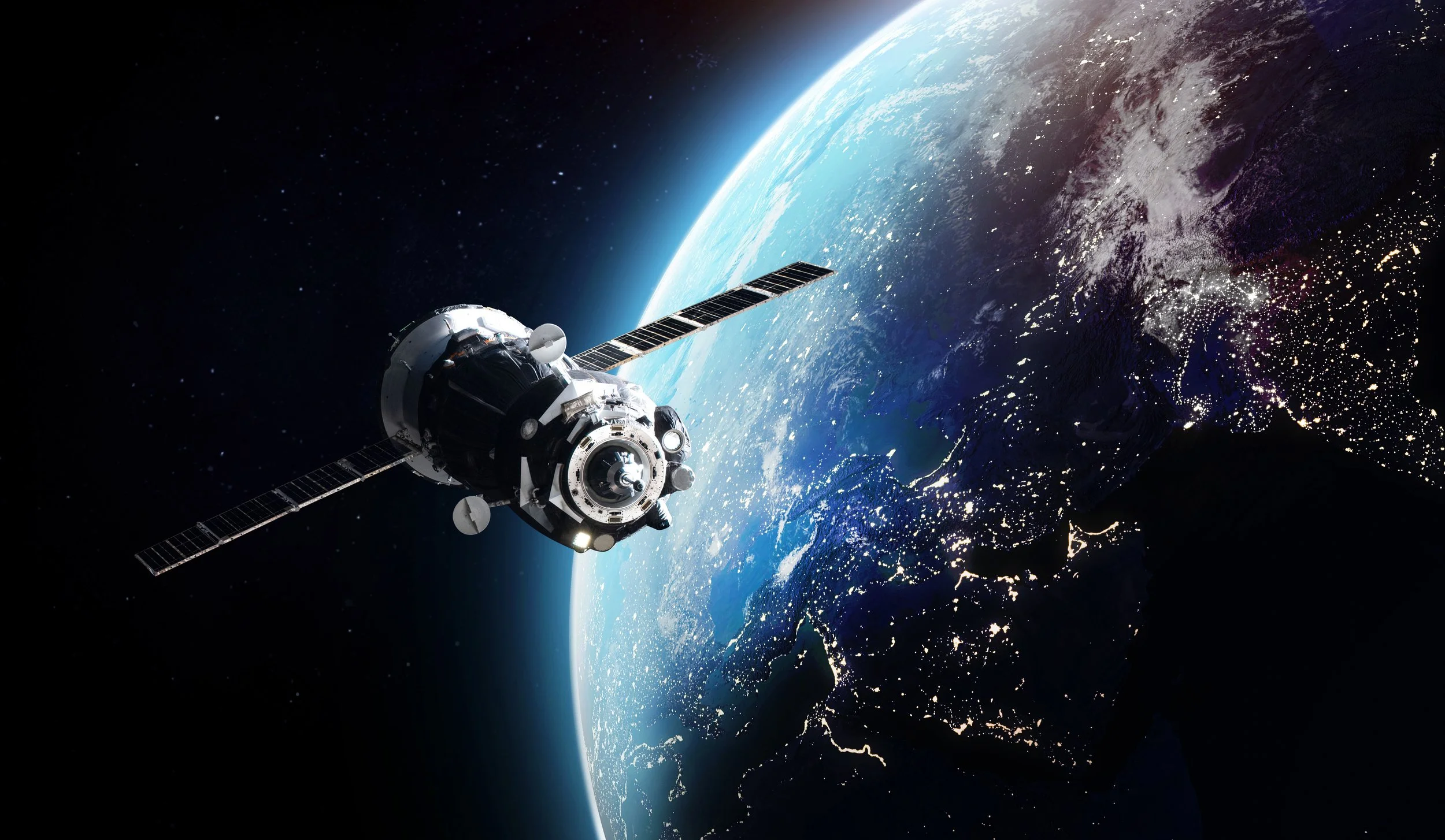
The space economy depends on reliable operation of the electronics used for imaging, sensing, data processing, communication, and power conversion. However, field-effect transistors are vulnerable to the natural radiation present in space environments. The radiation includes solar particles, the earth’s radiation belts, and cosmic rays. One of the most important reliability challenges is soft errors produced by ionizing particles. These errors occur when the charge generated by a single energetic particle competes with the charge that represents the logical state of a circuit. Catastrophic failure in high voltage transistors, produced by the combined effects of ion-generated charge and bias voltage is a serious challenge for spacecraft power systems. Parametric degradation produced by electrical stress or long-term exposure to ionizing radiation also is an important issue. Complex systems, such as satellites or deep space missions, may include a wide variety of technologies with differing operating principles and reliability challenges. Assuring the reliability of these systems is time-consuming and may result in significant overdesign or lead to rejection of parts that would contribute to improved capability. This talk will describe the mechanisms of radiation effects in field-effect transistors and approaches for determining the radiation-related reliability of emerging technologies.