
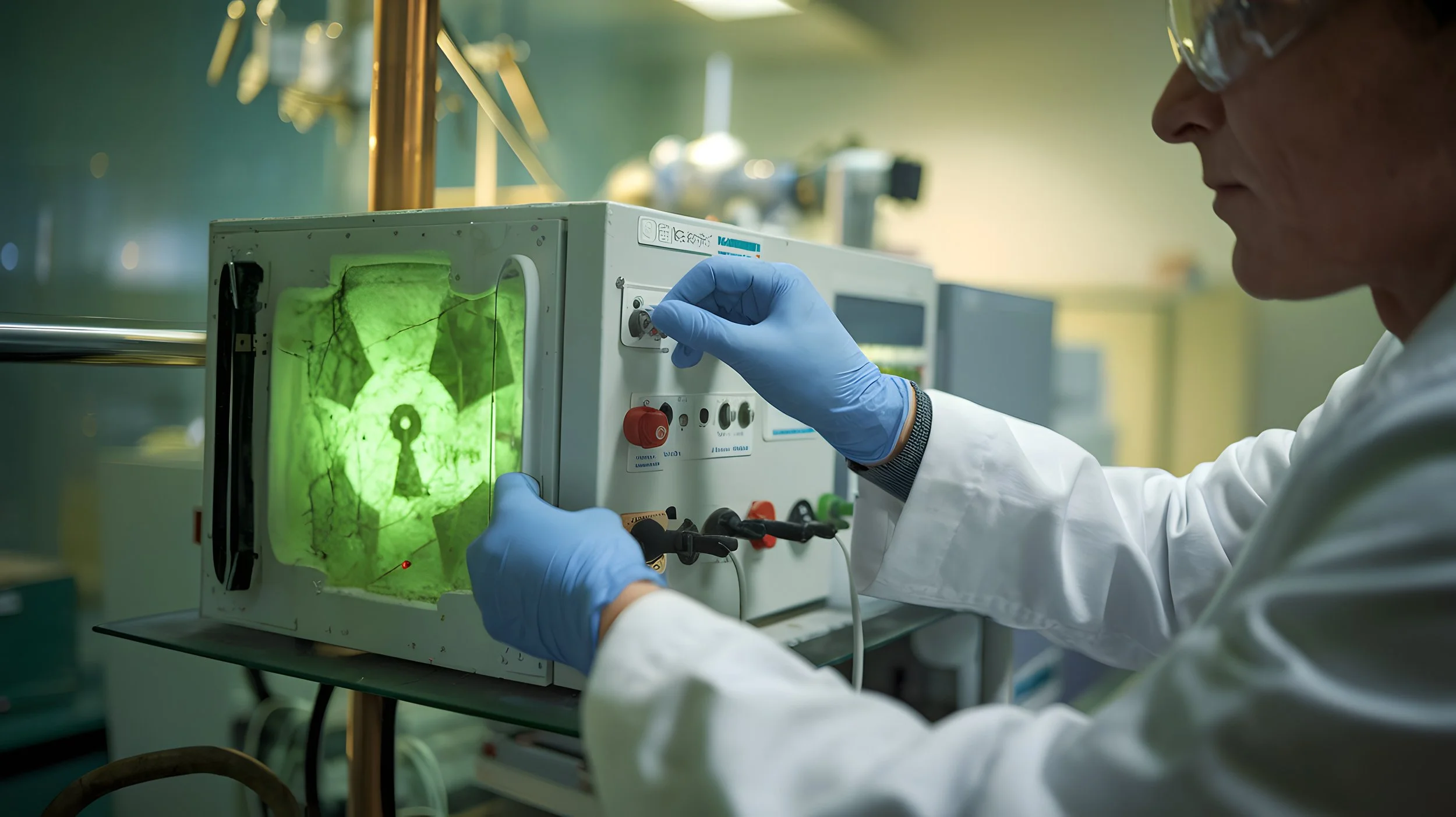
The lecture discusses the importance of technology characterization in understanding the radiation response of advanced technologies. With the increasing complexity of modern electronics, it's becoming essential to use on-chip measurement techniques to characterize single event effects (SEEs), total ionizing dose (TID), and transient photocurrents. These measurements are used to validate radiation-enabled model behaviors for circuit design, allowing designers to make informed choices about filtering or other techniques to mitigate radiation-induced errors.
The lecture highlights the exciting opportunities in technology characterization and radiation-enabled modeling. By developing on-chip measurement techniques and incorporating observed mechanisms from testing and TCAD into models, designers can predict circuit response and supplement test data results. This enables first-pass success and reduces the need for costly re-designs. The use of Monte Carlo tools and SPICE models is also discussed as a means to simulate charge transport and calculate circuit responses to radiation-induced errors. Overall, the lecture emphasizes the importance of technology characterization in ensuring the reliability and robustness of modern electronics in harsh radiation environments.
Technology Characterization and Radiation-Enabled Modeling
Previous
Previous
AI Hardware Acceleration in ASIC Design Lecture 1: Introduction & History of Artificial Intelligence
Next
Next